How to Use Cannabis Oil: A Beginner’s Guide
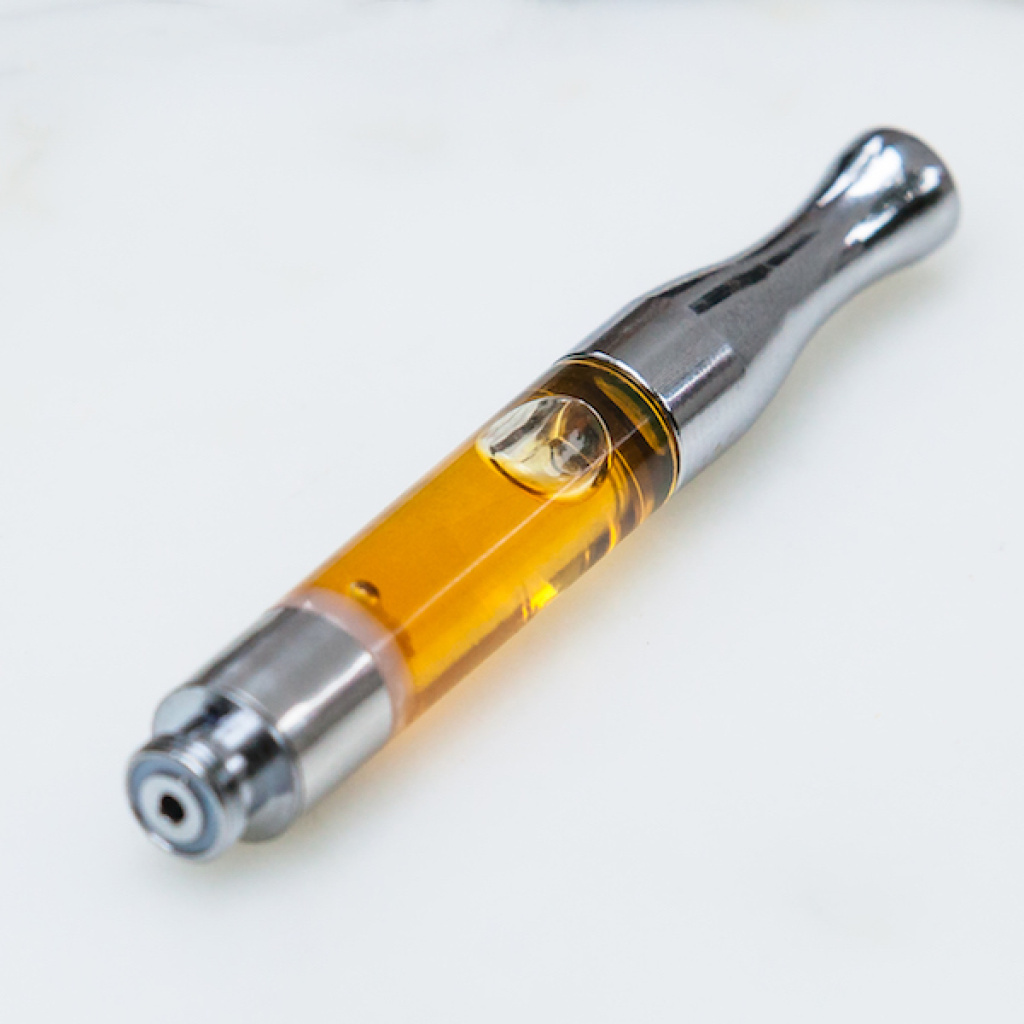
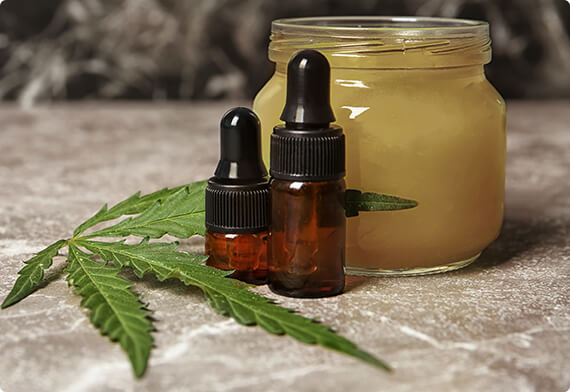
Cannabis oil has grown in popularity in recent years due to its wide range of potential benefits. It offers a convenient alternative to smoking, making it an appealing option for beginners or for those who prefer a smoke-free method of cannabis consumption. However, understanding how to use cannabis oil can feel a bit confusing at first. Don’t worry—we’re here to help. This guide covers the basics of cannabis oil, including what it is, how it’s made, how to use it, and how to determine the right dosage for you. What Is Cannabis Oil? Cannabis oil is a concentrated extract made from the dried flowers or leaves of the cannabis plant. Despite its name, it is not a true oil. Instead, it has a thick, sticky consistency that resembles oil, which is how it got its name. The purpose of cannabis oil is to deliver cannabinoids—such as THC and CBD—along with other beneficial compounds like terpenes and flavonoids, in a highly concentrated form. How Cannabis Oil Is Made Cannabis oil is typically produced through a process known as chemical extraction. This involves using a solvent to separate cannabinoids and other compounds from the plant material. Common solvents include: Ethanol Butane Propane Carbon dioxide (CO₂) Among these methods, CO₂ extraction is becoming the preferred option. It produces a clean, potent product and leaves no harmful solvent residue behind, making it one of the safest extraction methods available. How to Use Cannabis Oil There are several ways to consume cannabis oil, and the method you choose will affect how quickly and how long the effects last. 1. Ingesting Cannabis Oil This is one of the most common methods and includes: Swallowing the oil directly Placing it under the tongue (sublingual use) When ingested, cannabis oil takes longer to produce effects—usually between 30 minutes and 2 hours—but the effects tend to last much longer than inhalation methods. 2. Inhalation Methods Cannabis oil can also be inhaled through: Vaping Smoking (when used with compatible products) Inhalation delivers cannabinoids to the bloodstream quickly, so effects are felt almost immediately. However, they typically wear off faster compared to edibles. 3. Topical Application Cannabis oil can be applied directly to the skin for localized effects. This method does not produce a psychoactive “high” and is often used for targeted relief. Choosing the Right Method for You The best way to use cannabis oil depends on personal preference and desired effects: Fast relief: Vaping or smoking Long-lasting effects: Edibles or swallowed oil Smoke-free option: Sublingual or topical use Cannabis oil also comes in different strengths, ranging from CBD-only oils to products with high THC concentrations. Beginners are encouraged to start with low-potency options. Dosing Cannabis Oil Safely Dosing cannabis oil can be challenging, especially for first-time users. A widely accepted rule is: Start low and go slow. Begin with the smallest possible dose and gradually increase it until you achieve the desired effect. The correct dose may be lower than what is suggested on the product label. Because everyone’s body reacts differently to cannabis, it’s important to be patient and attentive to how you feel. If you’re unsure where to start, consulting a healthcare professional familiar with cannabis use is recommended. Once you find a dose that works for you, consistency is key. Take the same amount at roughly the same time each day to allow your body to adjust and to maintain steady effects. Final Thoughts Cannabis oil is a versatile and effective way to consume cannabis without smoking. By understanding the different methods of use and starting with a low dose, you can safely explore what works best for your needs. With time and careful experimentation, cannabis oil can become a reliable part of your wellness routine.